
King Charles Relishes ‘Politically Charged’ Deployments, Palace Aide Says After Caribbean Tour

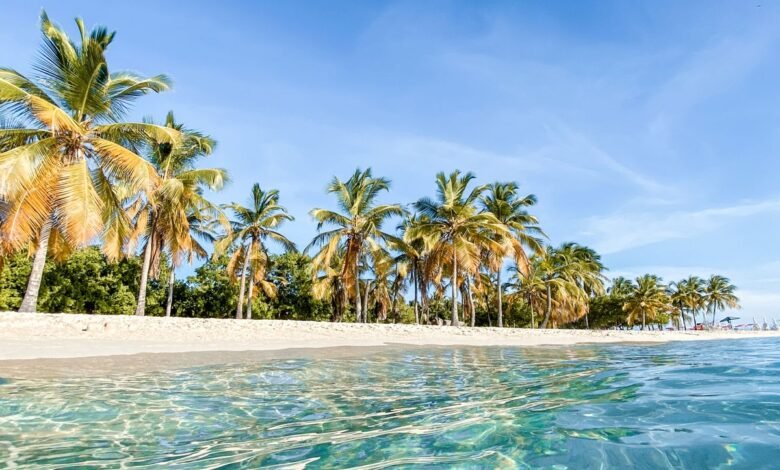
King Charles III relishes the toughest parts of his job and will keep being sent into “politically charged situations” by the Government, a senior palace aide has said at the end of the King’s nine-day tour of the Caribbean. The remarks, reported by the BBC’s royal correspondent Daniela Relph on Thursday 5 November 2026, frame the tour of the Bahamas, Guyana and Antigua and Barbuda as the clearest sign yet of how the monarch is being used as a diplomatic instrument in his fifth year on the throne.
The aide described the King as a “great secret weapon” for the Government, able to reach people and places that elected politicians cannot. The tour, which ended on Wednesday 4 November, was dominated by calls for slavery reparations and a formal apology from Britain, and it closed with the King opening a Commonwealth summit in Antigua and Barbuda where the issue sat at the centre of the agenda.
King Charles Caribbean Tour — Quick Reference Summary
| Detail | What is known |
| Tour dates | Nine days, ending Wednesday 4 November 2026 |
| Countries visited | The Bahamas, Guyana, Antigua and Barbuda |
| Engagements | More than 40 across the three countries |
| Queen Camilla | Joined the King in Antigua and Barbuda |
| Closing event | Opening of the Commonwealth Heads of Government Meeting in Antigua |
| Aide’s description | King relishes the “tough parts” of his role; a “great secret weapon” |
| Central issue | Slavery reparations and a formal British apology |
| King’s words on slavery | “Monstrous injustice”; “fills my heart with horror and my soul with the most profound personal sorrow” |
| Formal apology | Not offered by the King; PM Andy Burnham open to apology talks |
| Financial reparations | Ruled out by the Government; Foreign Secretary Ed Miliband called them “not feasible” |
| King’s age | 77, turning 78 on Saturday 14 November 2026 |
| Next sensitive visit | A politically sensitive visit to Ireland is planned for next year, according to The Times |
Nine Days, Three Nations and More Than 40 Engagements
The tour began in the Bahamas, where the King made solo visits before a state visit to Guyana, and finished in Antigua and Barbuda, where Queen Camilla joined him for the Commonwealth Heads of Government Meeting. Across nine days the King carried out more than 40 engagements in hot, demanding conditions, a schedule that palace aides described as complex, challenging and exhausting.
Portraits released to mark the end of the tour showed the King and Queen beaming in Antigua and Barbuda, photographed on 1 November by Getty royal photographer Chris Jackson. The images were published as the couple departed on Wednesday, closing a trip that had been billed before departure as potentially the greatest test of the reign so far.
For a monarch approaching his 78th birthday on Saturday 14 November and continuing to undergo cancer treatment, the pace of the tour drew attention in its own right. Palace aides said his enthusiasm and decades of experience as a global statesman helped him steer through what many had predicted would be the riskiest tour of his reign.
The “Secret Weapon” Remark and the Aide’s Full Account
The senior palace aide, who has worked closely with the King for many years, spoke to reporters at the end of the tour. “I think what we’re seeing is a very clear pattern emerging of the government asking the King to head into quite politically charged situations, quite challenging situations,” the aide said.
“The King is not just King for the easy parts of the job, but the tough parts of the job, too,” the aide added. “In fact, that’s probably the part of the job that he relishes most, whether that’s leading on the environment, whether it’s renewing and refreshing and reinvigorating relationships with nations where there have been some complex political issues at play, that is what he lives and breathes for.”
The aide said the King’s value lay in access that ministers cannot match. “It is a great secret weapon to send the King,” the aide said, “because he is able to reach the parts that, dare I say, politicians probably couldn’t quite have reached.” The aide added: “This is literally what he was born to do, he’s very good at it, and he enjoys the reaction he gets from people in the doing of it.”
The same briefing stressed the constitutional boundary the Palace must observe. “We have to tread quite a careful line sometimes between government policy and the King’s role,” the aide said. The King remains above party politics as head of state, and that neutrality is precisely what gives him an edge over elected politicians when he is deployed abroad.
Slavery, Sorrow and the Apology Question in Antigua
Questions over whether the UK should apologise and pay reparations for its role in the transatlantic slave trade ran through the whole visit. The leadership of all three countries visited wanted reparatory justice, and the issue dominated the Commonwealth summit the King opened in Antigua.
Addressing Commonwealth leaders, the King called the transatlantic slave trade a “monstrous injustice” that “still casts a shadow” over the Caribbean and the wider Commonwealth. “As I have said before, that shameful chapter of history is one that fills my heart with horror and my soul with the most profound personal sorrow,” he said. He also pointed to Britain’s role in eventually abolishing the trade, and praised the Royal Navy’s six decades of patrols intercepting slave ships and freeing thousands of enslaved people.
The King stopped short of a formal apology, and he did not mention the word “apology” in his summit speech. That gap mattered because Prime Minister Andy Burnham had shifted government policy midway through the tour, writing in The Guardian that he was open to calls for a formal apology on behalf of the British state. Burnham, who attended the summit, offered talks on an apology while ruling out financial reparations, and announced a £40 million package of funding over the next three years to accelerate critical infrastructure investment in the Caribbean.
Foreign Secretary Ed Miliband later told the BBC that paying reparations was “not feasible” for the UK, while hinting that Britain could issue a formal apology next year when it hosts a G20 leaders’ summit. The summit communiqué welcomed the UK’s agreement to enter a “good-faith dialogue with affected parties addressing the transatlantic trafficking of enslaved Africans and its historical harms”.
The scale of the history at issue was set out in the King’s own speech. An estimated 12 million to 15 million enslaved people were forced from Africa during the transatlantic slave trade, and about 4.7 million were sent to the Caribbean. Protesters gathered outside the summit with signs calling for an apology and reparatory justice, and the King’s reception in the hall was more muted than the standing ovations he received when he opened the same meeting in Samoa in 2024.
What the Tour Means for the Monarchy’s Diplomatic Role
The aide’s briefing makes the pattern explicit: in the fifth year of the reign, the Government is asking the King to head into difficult situations as a matter of routine. The Caribbean tour tested that approach against the hardest subject in Britain’s colonial history, and the Palace judged it a success. “I would say, in the round, this has been a complex visit. It’s been challenging. It’s been exhausting,” the aide said. “But the takeaway, I think, is that it’s been very successful, and I think the King has demonstrated his statecraft both by word and deed.”
The approach is not new. At the start of the reign in 2022, the King’s team told the royal visits committee that he was prepared to go wherever the Government wanted to send him. The difference now is the frequency and the sensitivity of the assignments. Guyana illustrated the point: the King was deployed to the oil-rich nation to promote British business interests at a time when China is aggressively pursuing opportunities there.
The next test is already on the horizon. The Times understands that the King will undertake a politically sensitive visit to Ireland next year, another assignment where the monarch’s ability to operate above party politics will be the point of sending him. At home, the Government is also rolling out this winter’s winter fuel payments for pensioners, with payments due from mid-November.
Republican Currents and the Palace’s Open Door
The tour also exposed how far republican sentiment has moved in the Caribbean realms. Within hours of the King and Queen’s first engagement in Antigua and Barbuda, the country’s prime minister, Gaston Browne, told ITV News that he would like to see Antigua and Barbuda become a republic, while accepting that the decision rests with the people and the constitution.
Philip Davis, prime minister of the Bahamas and the King’s host on the first stop of the visit, said he was “agnostic” on the subject but open to losing the King as head of state if that was “the will of my people”. The Palace has not resisted the debate. A senior aide told The Times that Buckingham Palace is “fully open” to Commonwealth realms removing the King as head of state, adding: “We have absolutely no difficulty with that.”
That openness sits alongside the aide’s insistence that the King and the royal family are there to serve the people of these regions for as long as they wish. The tension between those two positions — a monarch deployed as a diplomatic asset, and realms free to end the arrangement — is now the defining feature of the King’s relationship with the Caribbean. The changing political landscape in Washington shows the same pattern elsewhere, with elected leaders leaning on unelected institutions to carry difficult messages.
Frequently Asked Questions
What did the palace aide actually say about King Charles?
The aide said the King relishes the “tough parts” of his role, that a clear pattern is emerging of the Government asking him to head into “politically charged situations”, and that he is a “great secret weapon” because he can reach people politicians cannot.
Which countries did King Charles visit on the Caribbean tour?
The nine-day tour covered the Bahamas, Guyana and Antigua and Barbuda. Queen Camilla joined the King in Antigua and Barbuda for the Commonwealth summit.
Did King Charles apologise for slavery during the tour?
No. He called the transatlantic slave trade a “monstrous injustice” and said it “fills my heart with horror and my soul with the most profound personal sorrow”, but he did not offer a formal apology.
What is the UK Government’s position on slavery reparations?
Prime Minister Andy Burnham is open to talks about a formal apology but has ruled out financial reparations. Foreign Secretary Ed Miliband has said reparations are “not feasible”, while hinting an apology could come next year.
Is the Palace opposed to Caribbean countries becoming republics?
No. A senior aide said Buckingham Palace is “fully open” to realms removing the King as head of state, and that the royal family serves those peoples for as long as they wish.
Myth-busting: the King decides where he is sent on state visits
The King does not choose his own destinations. State visits are undertaken at the request of the Government, and the King’s team confirmed at the start of the reign that he was prepared to go wherever the Government wanted to send him. The aide’s remarks describe a government decision, not a royal one.
Myth-busting: the aide’s praise means the Palace backs an apology
It does not. The aide praised the King’s statecraft and his willingness to take on difficult assignments, but the King himself avoided the word “apology” in his summit speech, and the decision on any apology rests with the Government, not the Palace.




One Comment